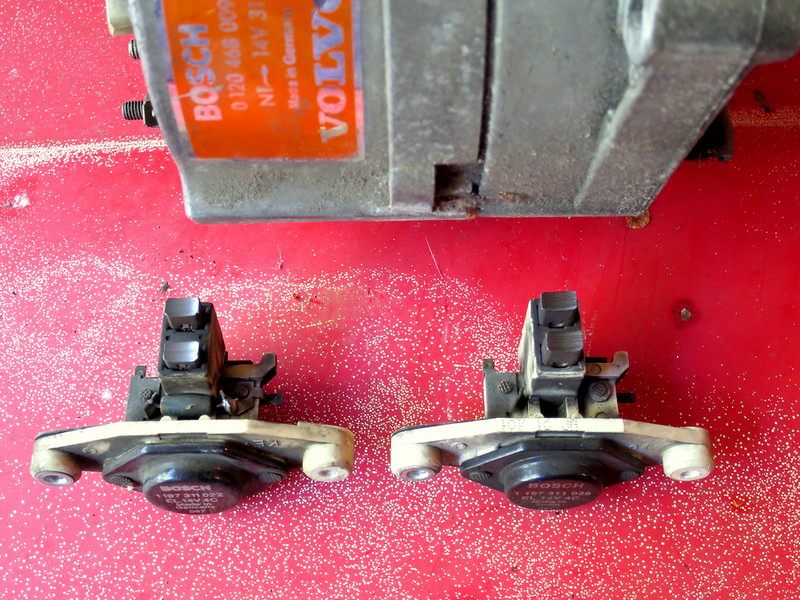
Several things to be checking in regards to the charging system:
Alternator
- If the alternator is going bad such as a bad diode or slipping belts, then the battery warning light should illuminate as it is not outputting at least 12V.
- Wiring or grounding issues can lead to the alternator not charging due to it not reaching an excited state. Revving the engine to around 3K RPM can trigger the exciter to start the alternator charging.
Battery
- If the battery is reaching end of life or discharged, when starting the car there can be a shrieking noise from the alternator. This happens when the alternator is put under a heavy load from a low or weak battery.
- If the battery isn't properly charging while the engine is running, will sometime see the Check Engine light illuminate. Have experienced this when the engine is running/idling, but barely due to a vacuum leak, misfire or bad ignition wire(s). It will not stay one (thrown a code) but I see this as a leading indicator of a voltage drop.
Voltage Regulator (mounted into the 240 alternators)
- When the brushes are wearing/worn out these will sometimes cause some of the warning lights to glow. This may show up when there is a large electrical load on the system (driving with the headlights on) or have seen the battery light dimly happen when cruising at highway speeds at 3500 RPM.
- Conversely I've had a voltage regulator's electronics go bad and this resulted in the alternator suddenly putting out 18-19V. This will quickly burn out light bulbs and other electrical items.
I would suggest narrowing things down to see where your the issue is originating from of one of these three areas. If you have a multimeter, what is battery volt level at rest (more than 12.6V) and when the car is running (more than 13.5V). If you don't have a mulitmeter, then highly suggest getting an
inexpensive cigarette lighter USB charger with a voltage display.
.